The short version
Organizing provider visit records means keeping one file per property with four sections: the agreement and quotes, a dated visit log, the service ticket from every visit, and your own observations between visits. Check each ticket before the technician leaves for rooms treated, method, products named, and the next scheduled date. A complete file is what makes any later conversation short.
- Read the service ticket before the technician leaves, not after.
- Every ticket should name rooms treated, method, and products used.
- Keep your own observations in the same file as the provider's records.
- Write the service period end date where you will see it every week.
- A visit with no findings still belongs in the log, with the date.
This is for anyone partway through a bed bug service plan, renters who need a record of what was done in their unit, and property managers maintaining files across multiple units where consistency between files is what makes them useful.
What to look for
A treatment two weeks after a reported sighting means something different from a routine scheduled check. Without a log showing dates and what prompted each visit, the series flattens into a pile of similar-looking documents. The third is the gap between what you observed and what the provider recorded. Your weekly counts, your bite log, and your check-point findings are the evidence of what happened between visits, and they are only useful if they sit alongside the tickets with matching dates. Kept in separate places, they never get compared, which is exactly what a follow-up conversation requires. Service tickets are written for the provider's records, not yours. They are often brief, sometimes abbreviated, and occasionally leave the most useful fields blank: which rooms, which product, what was found. Once the technician has left, filling those blanks requires a phone call and someone's memory. The second problem is sequence. A bed bug plan is a series, and the meaning of each visit depends on what came before.
- 1Service tickets that name no rooms or products.
- 2No copy of the signed agreement in your own possession.
- 3Visit dates that cannot be reconstructed from memory.
- 4Preparation sheet referenced but never received.
- 5A revised scope discussed verbally and never documented.
- 6No record of which visit followed a reported sighting.
- 7Service period end date that nobody can state.
Why it’s worth acting soon
- Re-treatment windows expire because nobody tracked the start date.
- Disputes about which rooms were treated cannot be resolved.
- A new provider has to start from scratch without treatment history.
- Renters lose the documentation a landlord conversation depends on.
- Patterns across visits stay invisible, so the same gap repeats.
Treatment options and typical costs
Four-section property file
Ask for an itemized quote
One folder, physical or digital, split into agreement and quotes, visit log, service tickets, and your own observations. Everything filed by date within its section.
- Time
- Depends on what the inspection finds
- Best for
- Anyone with an active service plan
Ticket check before the technician leaves
Ask for an itemized quote
Read the ticket for rooms treated, method, products named, findings, and next date. Ask for anything missing to be added before signing, which is the only moment it is easy.
- Time
- Depends on what the inspection finds
- Best for
- Catching blank fields while they can still be filled
Running visit log
Ask for an itemized quote
One line per visit: date, who attended, what prompted it, rooms treated, findings, next scheduled date. The log is the index; the tickets are the detail behind it.
- Time
- Depends on what the inspection finds
- Best for
- Making the sequence of visits readable at a glance
Observation record kept alongside
Ask for an itemized quote
Weekly monitor counts and check-point findings filed in the same folder with matching dates, so each visit can be read against the weeks before and after it.
- Time
- Depends on what the inspection finds
- Best for
- Connecting what you saw to what was done
Written inspection report from the provider
Ask for an itemized quote
A report naming rooms inspected, evidence found and where, and the recommended scope. Ask for it in writing at the outset; it is the document everything else is measured against.
- Time
- Depends on what the inspection finds
- Best for
- Establishing a documented baseline
Prices are typical published ranges. Ask what’s included before you compare quotes.
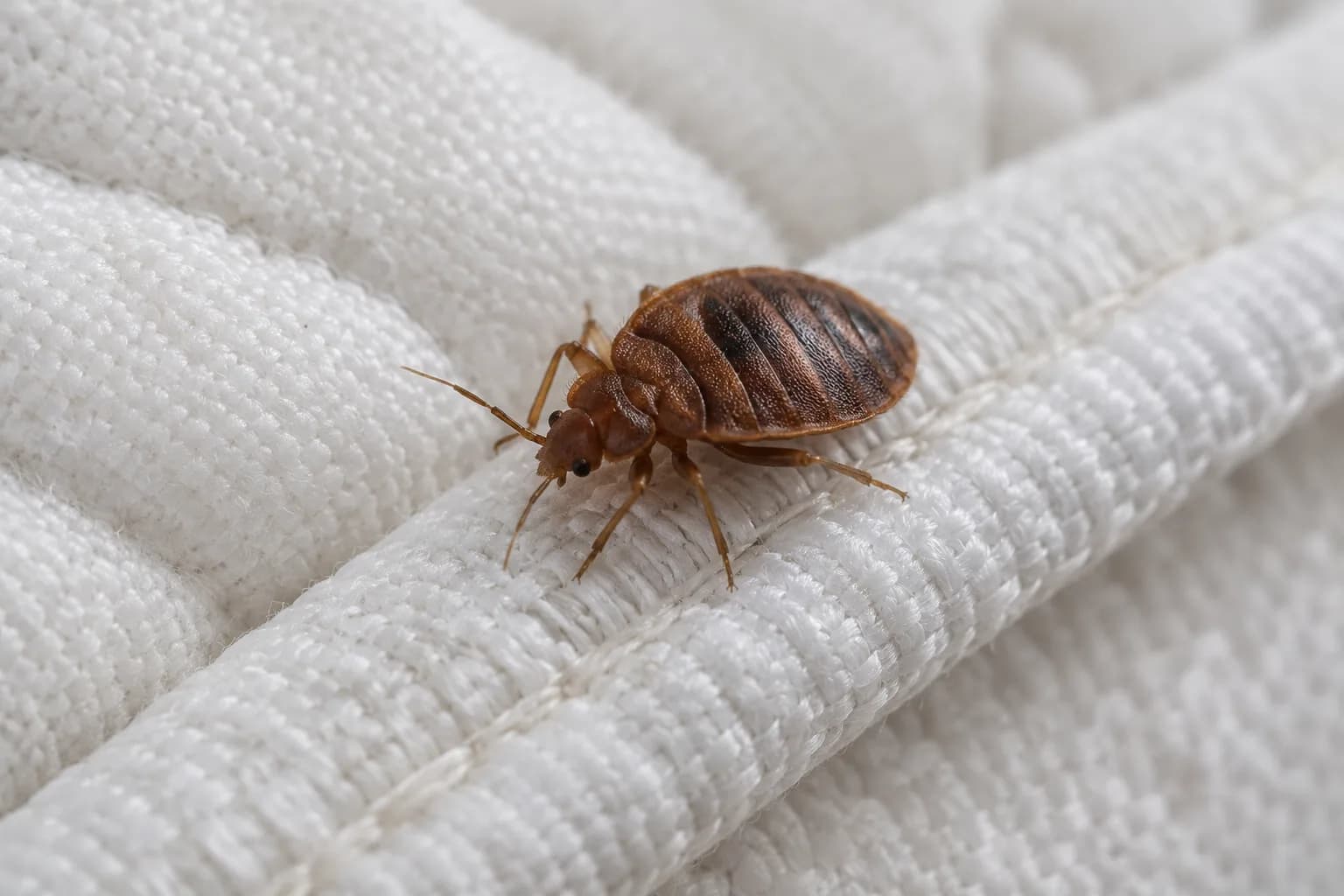 AI-generated editorial illustration; not a local job photograph or a scientific identification image.
Setting up the file in twenty minutes.
One file per visit, named with the date first: 2026-03-14-visit-ticket. Date-first naming means the folder sorts itself chronologically without any effort. 04 My observations. Weekly check-point results, monitor counts, photographs, the bite log, and notes of phone conversations. Same date-first naming. Then backfill. Find the agreement in your email, save it. Find whatever tickets you have, save them. Reconstruct the visit log as best you can from calendar entries and messages, and mark anything uncertain as approximate rather than guessing precisely. set two calendar reminders: one a week before each scheduled visit, and one two weeks before the service period ends. The second is the one most people wish they had set. Choose one location and put everything there. A physical folder works; a single cloud folder works better because it survives moves and can be shared. Create four subfolders, numbered so they stay in order. 01 Agreement and quotes. The signed agreement, the preparation sheet, every quote including declined ones, and any written amendment. This section rarely changes, which is why it goes first. 02 Visit log. A single document, one line per visit. Start it with the service period start and end dates at the top, in bold, because those dates govern everything else. 03 Service tickets.
What to check on the ticket while the technician is still there.
Findings. What was found, where, and how much. A visit that found nothing should record that as a finding, because a documented clear inspection is valuable evidence in a trend. Monitoring. Whether devices were checked, the counts, and whether any were replaced. Next step. The date of the next visit and what it will be. If it is not yet scheduled, ask when it will be and note the answer. Then ask one question out loud: based on today, what would you expect me to see over the next two weeks. Write the answer in the visit log. Two weeks later you will have something specific to compare against. This is the highest-value three minutes in the whole process, because a ticket is easy to complete at the time and awkward to amend later. Rooms and items. Does the ticket name them, and do the names match what you believe was treated? If the technician spent forty minutes in the second bedroom and the ticket says primary bedroom only, ask now. Method. Heat, targeted application, steam, vacuuming, encasement installation, or a combination. If more than one method was used in different rooms, ask for that split to be recorded. Products. Names, not categories. If nothing was applied because the visit was an inspection, the ticket should say so explicitly rather than leaving the field blank, since a blank reads as an omission months later.
 AI-generated editorial illustration; not a local job photograph or a scientific identification image.
Reading the file when something goes wrong.
Next, check the scope. Open the agreement and list the rooms it names, then list the rooms where you have recorded evidence. Any room on the second list and not the first is a scope conversation, not a treatment-failure conversation, and framing it correctly gets a faster answer. Then check the dates. How much of the service period remains, when the last visit was, and whether the re-treatment trigger in the agreement has been met by anything in your record. write a summary of no more than six sentences: the sequence, the pattern, the scope gap if there is one, the specific question you want answered, and the dates that support it. Send it with the relevant pages attached. A message like that gets a substantive reply, because there is something concrete to reply to. The file earns its keep at the moment activity persists longer than expected, and the way to use it is to read it as a sequence rather than searching for a single answer. Start with the visit log and your observation record side by side. Line up the dates and read down: what was done, what you saw in the following weeks, what was done next. The useful patterns are visible here and nowhere else. Activity that fell after each visit and rose before the next suggests a timing question. Activity that never fell in one particular room suggests that room was treated differently or that harborage there was not reached. Activity that appeared suddenly after weeks of zeros points toward introduction rather than persistence.
What affects the price
- Whether the plan includes written reports or only brief tickets.
- Number of units or properties being tracked in parallel.
- Whether you request additional inspections outside the plan.
- Length of the service period and therefore the number of visits.
- Whether monitoring checks are documented per visit.
- Time spent chasing missing documentation after the fact.
- Storage method, since digital copies avoid loss but need consistent naming.
When to call for help
Call when the file shows a gap rather than when you remember one. Common triggers are a ticket that never arrived, a visit whose scope does not match the agreement, a scheduled follow-up that has not been booked, or a service period approaching its end while activity continues. Make the request specific and reference the document. A clear message names the date, the ticket, and the missing item: the ticket from the visit on the ninth does not list which rooms were treated or the product used, please send an amended copy. A clear response supplies the document rather than describing what happened. If a provider prefers to answer verbally, write down what you were told, the date, and who said it, and file that note in the same section.
What you can do yourself
The useful question is whether the pattern across visits suggests the current plan is working or whether something outside the treated scope needs inspecting. Bring the file to the provider and ask them to read it against your observation log. A complete record of five visits does not tell you whether the approach is right; it tells you what was done and when. What the file does not do is interpret itself. The only skill is doing it at the time rather than reconstructing it afterward, which is why the ticket check at the moment of the visit matters more than any filing system. Nothing about it requires pest knowledge. Record keeping is entirely yours, and it is the cheapest insurance available in a process where outcomes are judged weeks later.
Simple ways to keep bed bugs away
- Photograph every ticket with your phone before the technician leaves.
- Name digital files by date first, so they sort chronologically.
- Write the service period end date at the top of the visit log.
- Record the technician's name on each visit, since continuity varies.
- File your monitor counts weekly rather than in a batch at month end.
- Keep declined quotes from other providers in the same folder.
- Note the date and content of every phone conversation about the work.
- Keep a backup copy of the digital folder outside your phone.
 AI-generated editorial illustration; not a local job photograph or a scientific identification image.
Did you know?
Date-first file naming sorts a folder chronologically without any effort.
A visit that found nothing is still a useful documented data point.
Service period end dates are the detail most often forgotten.
Questions people ask
What should a bed bug service ticket include?
The date and time, the technician, the rooms and items treated, the method used, the products applied with their names, any evidence found during the visit, monitoring checks and counts, and the next scheduled date. Read it before signing and ask for blank fields to be completed then, since filling them afterward requires someone's recollection.
How should I organize bed bug service records?
One folder per property with four sections: agreement and quotes, a visit log, service tickets filed by date, and your own observations. The visit log acts as an index with one line per visit. Digital or paper both work; the important part is that your observations and the provider's documents sit together with matching dates.
Why does it matter which products were used?
Because the record shapes later decisions. A different provider taking over, a question about whether the same approach has already been tried, or a discussion about a plateau in activity all depend on knowing what was applied and where. Product names on tickets also let you look up label information yourself if you have questions about use in occupied rooms.
What if the provider does not give me a copy of the ticket?
Ask at the visit and photograph the ticket with your phone as a fallback. If copies are meant to arrive by email, note the date you expected one and follow up in writing if it does not appear. Keep the follow-up request in the file too, since a documented request is itself part of the record.
How long should I keep bed bug service records?
Keep them at least through the service period and for a year afterward. Renters and property managers should keep them longer, with the unit file, because questions about who reported what and when tend to surface much later. Old records also tell a future provider what has already been tried in that property.
Should renters keep their own bed bug records?
Yes, independently of the landlord's file. Keep dated copies of every report you made, every reply you received, any preparation you completed with photographs, and any ticket you were given. Responsibilities vary by state and by lease, and a dated record of what you reported and when is the piece most often missing in those conversations.
Do bed bug interceptors work for detecting bed bugs?
Yes, quite well in a rigorous test. In a 2016 Rutgers study of 2,372 apartments in 43 low-income buildings across four New Jersey cities, interceptor traps placed under bed legs detected 89% ± 1% of infestations, better than brief visual inspections at 72% ± 3%, and only 2 of 291 infestations escaped both methods combined. Those rates reflect that study's protocol and building type, not a warranty. Interceptors are cheap. Placing one under each bed leg for two weeks is a sensible first check.
Does everyone react to bed bug bites?
No. In a 2016 Rutgers University study of 2,372 apartments in 43 low-income buildings across four New Jersey cities, 68% of the 475 residents with bed bug infestation experience reported bite symptoms, which means the rest lived with bed bugs without noticeable reactions. The study covered low-income apartments in one state. The share may differ elsewhere. It explains why infestations go unnoticed. Do not rely on bites alone: check mattress seams, box springs and bed frames for live bugs, shed skins or spotting.
Sources (5)
The facts in this article come from the public sources listed above. Every home is different, so ask the company you talk to about pricing and what’s included. Published by Bed Bug Exterminator · Updated September 11, 2026 · How we write these guides